
Build passive income as a student, at your own pace
When you’re a student, the idea of passive income can sound unrealistic. You may think it requires a rental property, or at least a small business that needs money upfront. It doesn’t always work that way.
There are online income sources for students that can be started with little or no investment. The trade-off is that they usually need time and effort upfront before they start generating recurring income.
In this guide, we’ll look at 12 practical passive income ideas for students in India, from digital products and affiliate marketing to SIPs and fixed deposits. We’ll also look at how much time and money each option can take, the skills involved, and the risks you should consider before getting started.
Before that, let’s quickly brush up on the basics.
What is passive income for students?
Passive income is money earned from something that is already created, set up or invested in, without having to actively work for every payment. For example, you could create an ebook, build a digital product or invest through a SIP. The initial effort may be significant, but the income can continue after the work is done.
For students, this is especially different from a part-time job or freelance work, where they earn by exchanging time and skills for money, actively. With passive income, the aim is to build something that can continue earning while they focus on college, exams or other priorities.
However, passive doesn’t mean effortless. Most passive income ideas require time, learning and effort upfront, and some need regular maintenance. The real advantage is that you’re not necessarily starting from zero every time you want to earn. Over time, the same asset, content or investment can continue generating income.
Learn more: SEBI’s investor education
Is passive income really possible while studying?
Yes, but it helps to keep your expectations realistic. Students already have classes, assignments, exams and everything else that comes with school and college, so time is usually the biggest constraint. The better options are those you can work on gradually, whether that's an hour between classes or a few hours over the weekend, instead of something that needs your attention every day.
It also makes sense to start with a skill you already have or one you're genuinely interested in learning. For example, a student who enjoys writing might experiment with a blog or digital products, while someone interested in design could explore templates or digital artwork.
The goal isn't to create another full-time job alongside your degree. A good passive income idea should be something you can build at your own pace and gradually turn into an additional source of income.
Best passive income ideas for students in India
The best passive income idea for a student isn't necessarily the one with the highest earning potential. It’s the one you can realistically start with your current skills, budget and schedule. Some of these ideas need more work upfront, while others involve investing money you’ve already saved.
Here are 12 options worth considering.
Create and sell digital products
Digital products are one of the easier ways to turn a skill into something you can sell repeatedly. You could create study planners, budget spreadsheets, checklists, or other useful resources and sell them through digital marketplaces or your own online store. The initial work goes into creating and improving the product. Once it's listed, each additional sale doesn't require you to create the product again.
Start a blog and earn through affiliate marketing
If you enjoy writing, you could start a blog around a niche you know well. It could be study tips, personal finance, technology, fitness, a hobby or anything else where you can consistently create useful content. Once your blog starts getting traffic, affiliate marketing can become a source of recurring income. You recommend relevant products or services using an affiliate link and earn a commission when someone makes a qualifying purchase. The catch is that building search traffic takes time, so this is unlikely to generate meaningful income in the first few weeks.
Create a YouTube channel
YouTube can work in much the same way, but through video rather than written content. Tutorials, explainers, reviews and other useful niche content can continue attracting views after you've published them. Depending on the channel and its eligibility, income can come from advertising, affiliate links, sponsorships and other sources. Creating videos takes more effort upfront, but a useful video can continue bringing in views long after you upload it.
Sell stock photos, videos or digital artwork
If you already enjoy photography, videography or digital design, you can turn some of that work into a potential income source. Stock platforms allow creators to upload photos, videos and other digital assets that customers can license. You earn when your work is licensed or downloaded, depending on the platform's payment model. Building a sizable library can take time, but older work can continue earning without you having to find each customer yourself.
Create and sell an online course
If you have a skill that other people can learn, consider turning it into an online course. This could be anything from coding and graphic design to language skills, exam preparation or using a particular software tool. Creating a good course takes considerable effort at the beginning. You'll need to plan the lessons, record the content and update it when necessary. But once published, the same course can be sold to multiple students.
Build and sell templates
Templates are another simple way to package a skill into a product. You could create resume templates, presentation decks, Notion templates, study planners or spreadsheet trackers. This can work particularly well if you're already comfortable with tools such as Canva, Notion or Excel. Instead of doing custom work for each person, you create a ready-to-use resource that many people can buy.
Publish an ebook
Have a topic you know well enough to explain clearly? An ebook can turn that knowledge into a digital product. You could write about study techniques, a niche hobby, a skill you've learned or another topic that solves a specific problem. Publishing is only the first step. You'll still need to make the book discoverable and may need to update it over time. But once it's available for sale, each additional copy doesn't require you to write a new book.
Start a print-on-demand store
Print-on-demand allows you to sell designs on products such as T-shirts, mugs and phone cases without buying inventory upfront. When a customer places an order, the print-on-demand provider handles production and shipping. Your job is mainly to create designs, list them and promote the store. It can therefore be less hands-on than managing your own inventory, although sales aren't guaranteed and you still need to put effort into creating designs people want to buy.
Earn through referral programmes
Referral programmes can be an easy way to earn a little extra money from products or services you already use. Banking apps, educational platforms, shopping services and other businesses may offer rewards for successful referrals. This isn't completely passive because you still need to make referrals, and programmes can change their terms or rewards. Think of it as a low-effort income source rather than something you can rely on for a steady monthly income.
Invest in mutual funds through SIPs
If you have some money left after your regular expenses, you could consider investing through a Systematic Investment Plan (SIP). A SIP allows you to invest a fixed amount regularly in a mutual fund instead of putting in a large amount at once. Even a ₹500 monthly SIP can help you start building an investing habit. Over the long term, your returns can potentially compound, but mutual funds are market-linked and returns aren't guaranteed. For a student, the bigger benefit may be starting early and developing a consistent savings and investing habit.
If you're already investing in mutual funds, having a clear view of your investments can also make it easier to track your progress and goals. Cruise Money helps bring your investments and financial picture together in one place.
Consider fixed deposits or recurring deposits
If you have savings that you don't need immediately and prefer more predictable returns, a fixed deposit (FD) or recurring deposit (RD) may be worth considering. An FD involves depositing a lump sum for a fixed period, while an RD lets you deposit a set amount regularly. Returns are generally more predictable than market-linked investments, although they may be lower over the long term. As with any financial product, check the applicable interest rates, tenure, premature withdrawal rules and tax treatment before investing.
License music, designs or other creative work
Creative work can also become a source of recurring income if you have something other people are willing to license. This could include music, sound effects, fonts, illustrations, photographs or other digital assets. Instead of creating something specifically for one client, you can make the work available for licensing through relevant platforms. Each licence can potentially generate income from work you've already created, although earnings will depend on demand, the platform and the type of licence.
Quick comparison of all 12 passive income ideas for students
If you don't have much money to put into a side income idea, that doesn't mean your options are limited. Many online income sources for students require more time and skill than money to get started.
The table below gives you a quick comparison of the options covered above.
*The minimum SIP amount varies by mutual fund and provider. Mutual fund returns are market-linked and aren't guaranteed.
Active income vs passive income for college students
Active income includes tutoring, freelancing, internships and part-time jobs, where you earn money directly for the time and work you put in. It can be quicker to start earning from because you don't have to wait for an audience, customers or an investment to build up.
Passive income usually takes longer. You may spend weeks or months creating content, building a digital product or investing regularly before you see meaningful returns. The advantage is that, once established, the income doesn't necessarily require the same amount of time every week.
For most college students, having a mix of both can make more sense. Active income can help with immediate expenses, while passive income can be something you build gradually alongside your studies. Relying entirely on passive income in the beginning can be risky if it takes longer than expected to generate meaningful earnings.
How to choose the right passive income source
There isn't one passive income idea that works equally well for every student. The right option depends on what you already know, how much time you have and whether you're comfortable putting money into it.
Consider your existing skills
Start with something you already know how to do, or a skill you're genuinely willing to learn. Writing, design, video editing, teaching and basic financial knowledge can all open up different options from the list above.
For example, someone who enjoys writing might start a blog or publish an ebook, while a student who is good at design could create templates or sell digital artwork. Starting with a skill you already have can reduce the learning curve.
Calculate the time you can commit
Be realistic about your weekly schedule. A YouTube channel or online course can take several hours to create and maintain, while setting up an SIP or an FD requires very little ongoing time.
Think about how much time you can consistently spare without letting your studies suffer. An idea that takes longer to build but fits your schedule is often more useful than one that looks more profitable on paper but is difficult to maintain.
Understand the initial cost
Some ideas can be started with almost no money, such as writing an ebook, creating certain digital products or joining a referral programme. Others may require spending on software, equipment, hosting or learning resources.
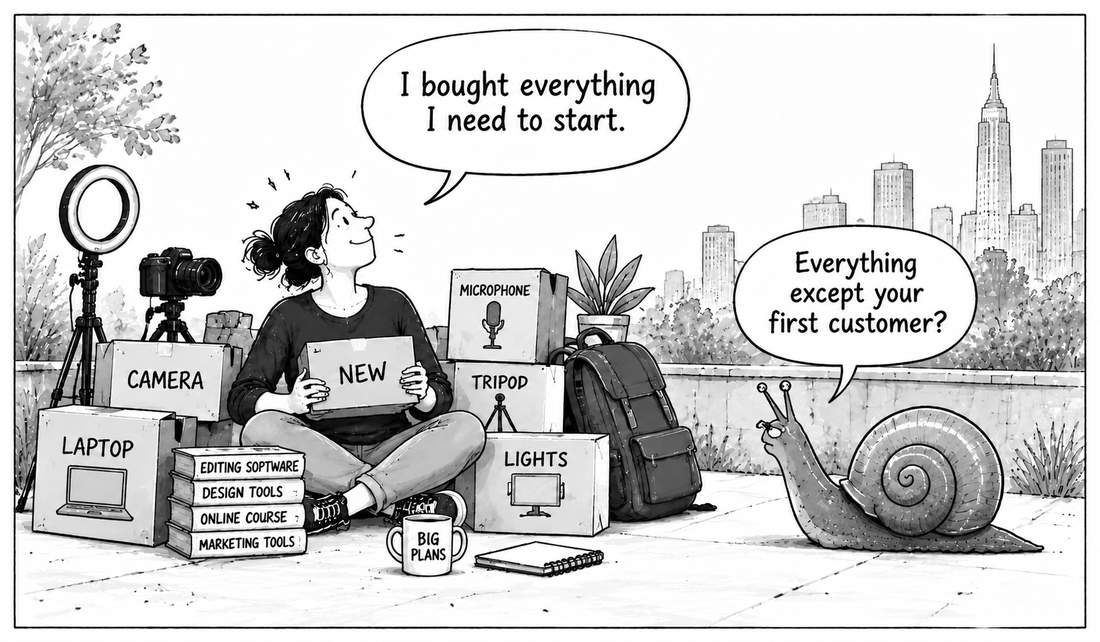
Before you start, work out what you'll actually need to spend and whether that cost makes sense for the income you expect to generate. As a student, you don't need to spend heavily just to get started.
Check the risks and expected returns
Different passive income sources come with different types of risk. Mutual funds are market-linked, so their returns can go up or down. FDs and RDs offer more predictable returns, but the potential returns are generally lower.
Content-based ideas such as blogs, YouTube channels and online courses don't involve the same market risk as investments, but they come with uncertainty of their own. You could spend months creating content without earning much from it.
Look at both the potential return and what you're putting at risk, whether that's your money, time or effort, before choosing an option.
How can students start building passive income?
You don't need to build a complicated portfolio of income streams from the beginning. Start with one idea, learn how it works and give it enough time to see whether it fits you.

Select one realistic income idea
Don't try to do five things at once. Pick one idea that fits your skills, schedule and budget, and focus on getting it off the ground before adding another. For example, if you enjoy writing, you could start with a blog or ebook instead of trying to run a blog, YouTube channel and online store at the same time. Building one income source properly is usually more useful than spreading yourself too thin.
Develop the required skills
If you don't have all the skills you need, spend some time learning them before investing too much money. Writing, design, video editing, SEO and basic financial literacy are all skills you can build through free or low-cost resources. You don't need to become an expert before starting. Learn the basics, put them into practice and improve as you go.
Create a simple income plan
Give yourself a rough timeline and a few measurable goals. If you're starting a blog, you could decide how many useful articles you want to publish each month. If you're investing through an SIP, decide how much you can comfortably invest each month and understand the type of fund you're considering. Keep the plan simple enough that you can actually stick to it alongside college.
Track and reinvest your earnings
Keep track of what you earn and what you spend. This helps you see whether an income source is actually worth the time and money you're putting into it. Once you start earning, you can put some of that money back into the income source or towards your longer-term financial goals. That could mean paying for a useful tool, improving your content, increasing your investments or simply building your savings. The important thing is to avoid treating your first few earnings as a reason to immediately increase your spending.
Common passive income mistakes students should avoid
- Expecting quick results: Most passive income ideas take time to build, so don't expect meaningful earnings immediately.
- Trying too many things at once: Focus on one income source first instead of spreading your time across several ideas.
- Ignoring costs and taxes: Platform fees, software costs and taxes can reduce what you actually take home.
- Chasing high returns: Don't put money into risky investments simply because they promise quick or unusually high returns.
- Giving up too soon: Some ideas need months of consistent effort before they start gaining traction.
- Not tracking your money: Keep track of your income and expenses so you know what's actually working.
Are students required to pay tax on their income in India?
Being a student doesn't automatically make your income tax-free. Depending on the type and amount of income you earn, you may have tax obligations on freelance income, blog or YouTube earnings, investment gains, or interest from deposits.
Tax rules and applicable thresholds can change, and the treatment can also vary based on the type of income. If you're earning regularly, it's best to consult a qualified tax professional or chartered accountant for guidance based on your individual situation.
Frequently asked questions on passive income
1. What is the best passive income for students in India?
There isn't one best option for everyone. It depends on your skills, time and budget. Students who enjoy writing or design could explore blogs, digital products or templates, while those with savings to invest could consider SIPs for long-term wealth building.
2. How can a student earn money online from home?
Students can explore options such as blogging, selling digital products, creating YouTube content, affiliate marketing and online courses. Many can be started from home with a laptop and internet connection, although they still require time and effort to build.
3. Can students generate passive income without investment?
Yes. Digital products, blogging, YouTube and some referral programmes can be started with little or no upfront investment. The trade-off is usually your time and effort rather than money.
4. How much can a college student earn through passive income?
There is no fixed amount. Earnings depend on the income source, demand, skills, consistency and how long you continue building it. Most students should expect modest earnings initially rather than a large income straight away.
5. Is passive income taxable for students in India?
Being a student doesn't automatically make your income tax-free. Whether you owe tax depends on factors such as the type and amount of income and the applicable tax rules. If you're earning regularly, consult a qualified tax professional or chartered accountant for guidance specific to your situation.
Disclaimer: This article is for educational purposes only and does not constitute investment advice. Investments in securities markets are subject to market risks; read all related documents carefully before investing.